




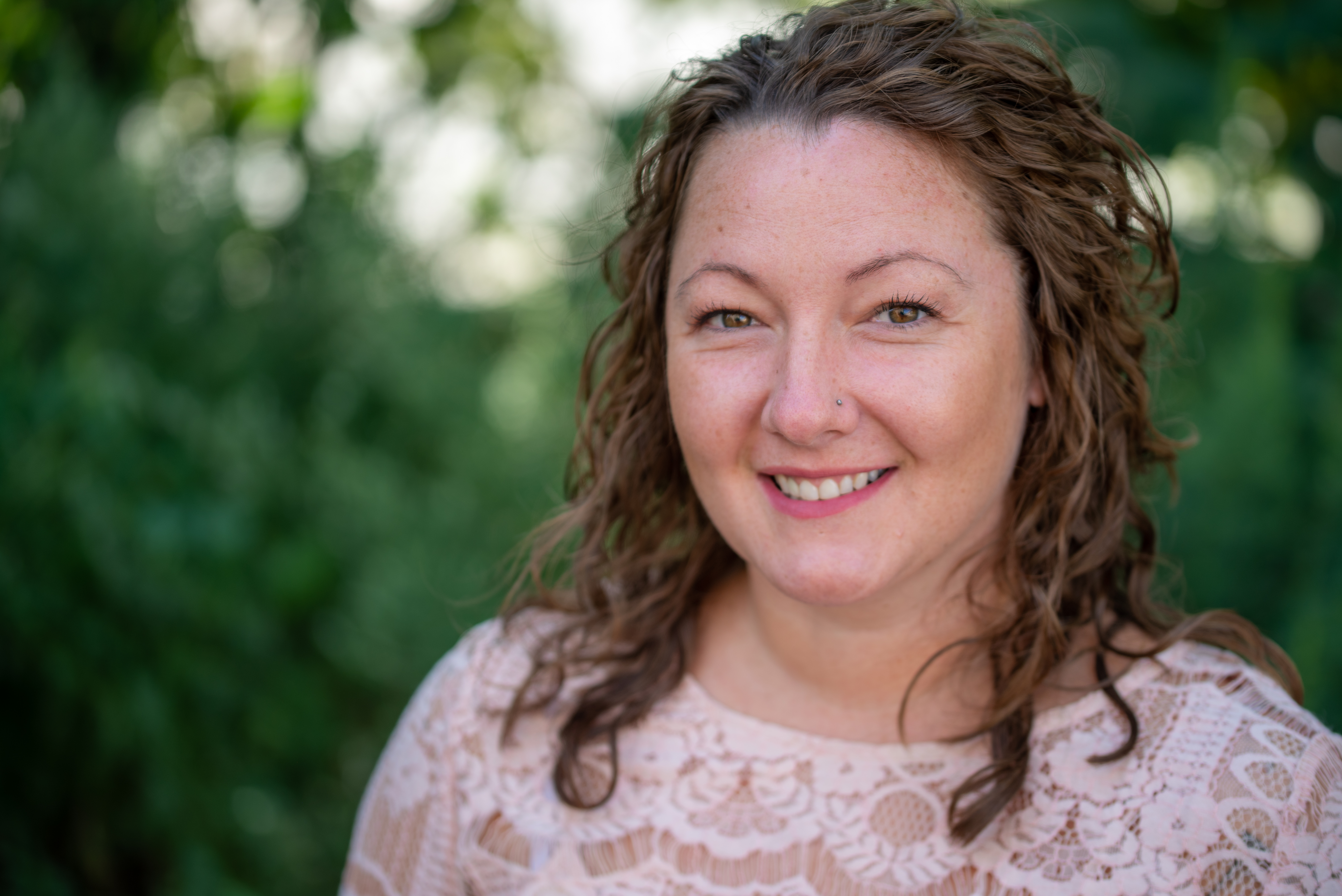
 Kate San Souci

If you're pushing into GLP without proper pilot work because an investor ties funding to “GLP data,” you may be taking a bigger financial risk than that investor ever would.
The nightmare scenarios are real and they almost always surface at the histopathology stage, when it's too late to fix them. GLP studies disqualified by FDA. Entire sample cohorts lost in transit. Critical tissue endpoints discarded at necropsy. Polymer devices that melted during processing, causing wasteful sacrifice of test subjects destroying months of work and hundreds of thousands of dollars.
In each case, proper histopathology involvement from protocol design through final reporting could have prevented the disaster.
Why Preclinical Study Failures Happen: A Histology Perspective
Picture the typical preclinical study design meeting: two hours on surgical approach and animal husbandry, fifteen minutes on histopathology. “Oh yeah, you do that? Fine.”
This imbalance creates downstream disasters. FDA reviewers assume surgery and in-life phases will be well controlled. But histopathology reveals biocompatibility and safety and those outcomes can go either way. Even if everything upstream is flawless, inadequate histopathology planning can sink the entire study.
Histopathology is where device-tissue interactions become visible. Without proper planning, you may not realize there's a problem until FDA flags inadequate data. As our pathology team explored in How Histopathology Reveals GLP Study Failures, success or failure often comes down to what happens at the microscopic level.
Nightmare Scenario #1: No Tissue Samples Collected
A medical device company completed a significant study, meticulously documenting in-life performance. At necropsy, the team discarded Tier 1 ISO 10993 tissues, never recognizing histopathology as a critical endpoint.
The Consequence: FDA rejected the submission. Without histopathological confirmation of tissue responses and biocompatibility, the agency couldn't verify safety claims. The entire study had to be repeated at full cost. Timeline? 12+ months minimum.
Prevention: Engage pathologists during protocol development. At minimum, collect and preserve all Tier 1 tissues in formalin. Regulators typically expect this histopathology data endpoint, and the safest assumption is that they will be required.
Nightmare Scenario #2: Insufficient Samples for Required Testing
A cardiovascular device study proceeded without detailed endpoint mapping. At necropsy, insufficient tissue was collected to run the required panel of special stains under ASTM F981 and ISO 10993, and to support both mechanical testing and histology. The study required both mechanical testing and histological assessment. You can't do both on the same sample without compromising one or both data sets.
The Consequence: The team had to rerun entire study arms. What should have been identified in the pilot phase became a six-figure mistake requiring additional animal cohorts and months of delay.
Prevention: Create comprehensive endpoint maps including sample requirements for histopathology, mechanical testing, and any ancillary assays, during protocol development. Run at least one non-GLP pilot study. Pilots reveal these requirements before they become GLP disasters.
Nightmare Scenario #3: Polymer Devices That Don't Survive Processing
A new polymer stent moved directly to a multi-animal cohort without pilot work. The team assumed the device would survive routine paraffin processing. During processing, because the polymer contained an uncharacterized component incompatible with standard processing, the stent disintegrated. Nothing to evaluate. No data.
The Consequence: Study data is unusable. Timeline reset to zero. The facility implemented mandatory pilot studies for all polymer-based technologies after this failure.
Prevention: Before any study involving polymers or novel materials, submit unimplanted devices to your histopathology lab for processing and fixative compatibility testing.
The Pattern Behind Every Preclinical Study Failure
In each of these failures, the common theme isn't bad science or incompetent teams. The root problem is treating histopathology as a commodity service at the end, instead of as a design constraint that shapes your model, protocol, and timeline.
FDA reviewers prioritize histopathological evidence because it reveals biocompatibility, tissue response, safety signals, and long-term integration potential. When you treat histopathology as an afterthought, you find out about problems too late. After the study is done. After the money is spent. After FDA rejects your submission.
You cannot rush the time tissue requires to properly infiltrate with embedding medium. You cannot accelerate the physics of proper fixation, processing, and staining. Make these constraints explicit in investor decks and regulatory roadmaps, so you're not forced into unrealistic GLP timelines that degrade data quality.
Why Medical Device Pathologists Make the Difference
At Veranex, our pathologists focus on implanted medical devices and understand FDA expectations for device-specific histopathology endpoints, ASTM and ISO requirements, and what histopathology needs to reveal at each stage.
As Butch Stanley, DVM, Vice President of Histology for Veranex, explains, “Most sponsors understand that our assessment of tissue responses and writing of concise, relevant histopathology reports is critical for their GLP study. However, many sponsors are unaware that partnering with a medical device pathologist during early R&D and pilot-work phases is ultimately critical for successful GLP submission.”
This end-to-end capability—from model and endpoint development through final GLP reporting—is where Veranex pathology distinguishes itself.

Frequently Asked Questions
What's the most common cause of preclinical study failures in medical device development?
One of the most common causes we see is insufficient histopathology planning during protocol development. When pathologists aren't involved until the slide-reading phase, critical decisions about tissue collection, sample allocation, and processing methods have already been made, often incorrectly.
How much does a failed GLP study typically cost?
A failed GLP study can easily cost $200K to $500K+ in direct expenses, plus 12 to 18 months in timeline delays. Pilot studies that prevent these failures typically run ~$30K to $80K.
Can histopathology be performed after a study is complete if it wasn't originally planned?
Only if tissues were properly collected, fixed, and preserved during necropsy. If tissues were discarded or inadequately fixed, histopathology becomes impossible. No amount of retrospective planning can recreate samples that were never collected. This is why we strongly recommend collecting and preserving all Tier 1 ISO 10993 tissues even if histopathology isn't immediately planned.
How do pilot studies prevent expensive GLP failures?
Pilots reveal processing challenges with novel materials, identify insufficient sample allocation for required testing panels, validate that anatomical relationships remain intact at necropsy, and confirm devices survive histological processing. Pilots deliberately stress-test your device, your tissue handling, and your endpoint mapping so GLP becomes confirmation, not expensive discovery. Each nightmare scenario above would have been prevented by appropriate non-GLP pilot work.
Partner With Pathologists Who Prevent Preclinical Study Failures
Veranex histopathology teams specialize in medical device assessment and support GLP and non-GLP preclinical studies worldwide. We've supported hundreds of successful regulatory submissions because we prevent the nightmare scenarios that derail other innovators.
Our capabilities include:
-
Strategic protocol and endpoint development with early pathologist involvement
-
Method development and processing validation for novel materials and complex anatomies
-
Non-GLP pilot studies designed to expose failure modes before GLP commitment
-
In-house histology integrated with preclinical testing facilities to protect sample integrity and timelines
If you're evaluating preclinical partners or preparing for GLP studies, especially with novel materials or complex anatomical interfaces, contact us now to align your histopathology strategy before you lock your next protocol.

About the author: As Director of Research Pathology at Veranex, Kate San Souci provides global oversight of the organization’s full‑service histopathology offerings and compliance programs. She began her career in 2006 with hands‑on training at a Boston‑area contract research organization, sparking a lasting passion for the art and science of histology.
ASCP certified since 2010, Kate brings over 14 years of experience across diverse settings, including CROs, hospitals, veterinary diagnostics, and contract necropsy services. Her expertise spans paraffin, frozen, and plastic histology, immunohistochemistry, and post‑mortem examinations across multiple species, with particular specialization in the prosection of medical devices and implants. Alongside her technical proficiency, Kate has developed strong leadership and program management capabilities, and she is energized by a role that blends strategic oversight with hands‑on scientific practice.