




 Nicolas Borenstein
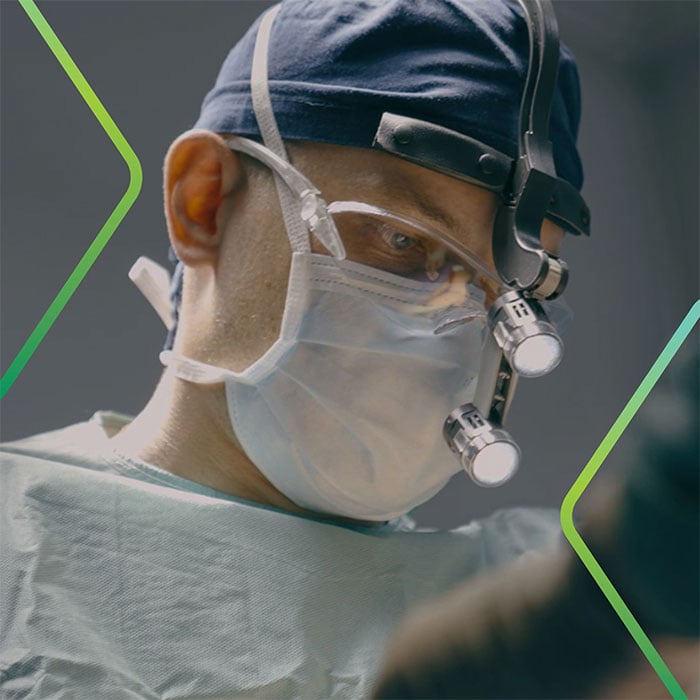
When you're ready for preclinical testing, be that pilot, non-GLP or GLP, choosing the right key opinion leader (KOL) for medical device development or validation isn't about finding the biggest name. The physician who regularly commands a conference stage or coordinates 40-center clinical trials may not be the right partner to save or effectively advance your project in the lab.
Here's what matters most when evaluating KOL medical device expertise for the preclinical arena.
Therapeutic Area Familiarity: Essential, But Not What You Think
Yes, you want someone who understands your technology category. A TAVR specialist brings invaluable insights to structural heart devices. A neurovascular interventionalist understands the nuances of cerebrovascular anatomy.
But here's the distinction: you're not looking for someone who's done 5,000 human procedures. You need someone who understands the technology well enough to adapt it to animal models and troubleshoot when things don't go as planned. Think automotive mechanics who specialize in certain vehicle types—familiarity with the technology creates efficiency and reduces costly missteps.
Flexibility Within Structure: The Non-Negotiable Trait
Your preclinical KOL will be a present, influential force within a room full of stakeholders: your CEO, finance team building the fundraising deck, engineers perfecting the delivery system, and veterinary anatomists and support staff who likely know the model and the physical environment best.
The ideal candidate moves fluidly between these conversations. They can discuss strategic implications with leadership, speak the engineer's language about mechanical constraints, and (critically) trust the facility's comparative anatomy expertise rather than insisting on human-surgery approaches that may well be anatomically impossible in the model.
Flexibility doesn't mean lack of direction. The best preclinical KOLs stick to the group's plan and are directive when necessary while remaining open to input from all parties. They understand that preclinical research is not clinical practice with human patients.
Technical Excellence: Great Hands + Strategic Thinking
"Can they save the day?" That's the question to ask.
You need someone who's genuinely skilled with imaging and surgical technique, not just a compelling speaker whose last session in the preclinical lab was long ago. But excellence with their hands is only half the equation.
The ideal preclinical KOL thinks like an engineer. They understand that if your device needs to navigate from point A to point B, physics and anatomy create real constraints. They can visualize how a component opens, where forces apply, and why an approach that works in humans may need modification in animals.
In medicine, specialists dominate. In preclinical work, you need someone with a 360-degree view—the "heart team" mindset that considers surgery, imaging, and anesthesia simultaneously. These physicians are rare. When you find one, hold onto them.
%20-%20Medium.jpg?width=1200&height=750&name=Illustrations_Bandeau_site%20web%20IMMR%20(10)%20-%20Medium.jpg)
The Right Profile: Candor With Constructive Strategy and Proficiency in Problem Solving
It is a harsh truth in MedTech or life science innovation that a qualified expert should tell you when your “baby is ugly” if they haven’t already.
The best preclinical KOLs deliver hard truths with constructive paths forward. They don't just say "this won't work." They explain why, what it reveals about the device limitations, and what steps could come next to effectively advance a device’s or technology’s potential.
This also requires humility. Your KOL must be willing to learn, recognize knowledge gaps, and collaborate rather than dominate. They understand they're not there to save an animal (though they certainly should treat the animal(s) with great respect). They're there to save and/or advance a project effectively. The mission is validating your device to eventually save millions of patients.
Look for physicians who enjoy solving problems. Mountaineers make an excellent example of attributes of high value preclinical KOLs: they're goal-driven, understand the necessity of teamwork, have technical expertise in their gear and navigation, and know when to retreat and regroup. So do woodworkers, mechanics, sculptors and architects: creative people who appreciate that brilliant ideas must work within physical and technological constraints.
Availability and Dedication: The Hidden Differentiator
A KOL involved in 30-40 projects is highly unlikely or unable to give yours the attention it needs.
Consider the physician on the verge of becoming a star: hungry, ambitious, yet modest enough to adapt to your company's needs. These mid-tier KOLs often deliver more value than the biggest names. They have time, energy, and motivation to make your project succeed.
Ask pointed questions:
- How many preclinical projects are you currently advising?
- Can you commit to our timeline?
- Have you worked in animal models before, and what did you learn?
What About Physicians With Engineering Degrees?
They're gold. Physicians who think like engineers bridge the gap between clinical vision and practical development. They understand that just because something works clinically doesn't mean it's manufacturable or scalable.
In Europe, this combination is rare. In the U.S., you'll find a handful. If you identify one with the other criteria we've discussed, make them part of your core team.
The Qualities that Distinguish Excellence Among Preclinical KOLs for Medical Devices
Excellent preclinical KOLs are strategic collaborators who combine technical skill, intellectual flexibility, and humility working within an ‘all team’ environment in consistent consideration of your project's unique constraints. They're not necessarily the names you recognize from conference keynotes. Out of the 100 most recognizable KOLs for a given therapeutic area, 90 of them are not well suited for preclinical work, particularly GLP studies. That is not to say there are not those that move between the podium and the preclinical lab with aplomb. There are. But they are very, very rare.
Ready to Accelerate Your Preclinical Success?
At Veranex, our 130+ preclinical professionals across North America and Europe bring 25+ years of specialized expertise to medical device innovation. With over 3,000 procedures annually and devices now treating 1+ million patients, we understand what makes preclinical partnerships succeed, including how to identify and work with the right KOLs for your technology.
Our integrated approach means we're not just running studies; we're strategic partners who help you navigate the entire preclinical journey. Let's discuss how our proven expertise can fast-track your path to market.

About the author
Nicolas Borenstein, DVM, MsC, PhD, serves as co-president of preclinical services, with extensive expertise in surgical and transcatheter preclinical science, particularly in cardiovascular and non-cardiovascular medical devices. A widely published author and peer-review journal reviewer, Nicolas combines academic excellence with hands-on surgical experience. He completed his veterinary medical and surgical training in Paris and Fort Collins, CO, earned his MSc in Surgical Science under Professor Alain Carpentier at Broussais Hospital, and received his PhD summa cum laude from University Paris Cité. His additional qualifications include specialized certifications in microsurgery, experimental surgery, and animal research from prestigious French institutions.
Preclinical Services at Veranex generates the evidence that clears the way for first-in-human studies, especially in complex cardiovascular and structural heart devices where Veranex is recognized as a leader. GLP and non-GLP studies are designed by device-savvy veterinary surgeons with fast access to Product Design & Engineering, Manufacturing Solutions, Data Analysis and Biocompatibility teams to ensure models, procedures, and endpoints reflect clinical reality. In-house Pathology & Histology delivers integrated interpretations, while Regulatory Affairs, Quality Consulting, and Clinical Research teams use these findings to shape submissions and trial designs. The result is fewer regulatory questions and a faster path into the clinic.