




8 min read
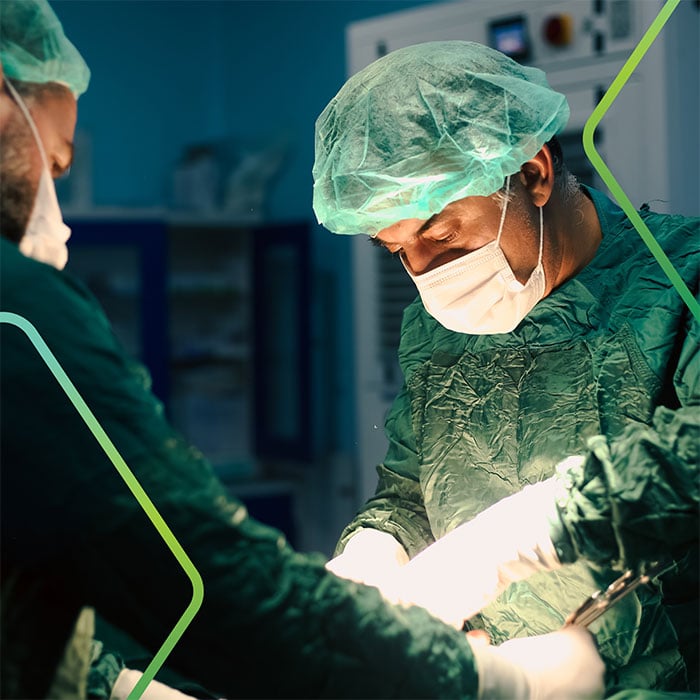
Medical device innovators need trustworthy CROs for preclinical studies to help speed the process from concept to commercialization. Below are a few must-ask questions for medtech companies in the market for a preclinical CRO.
Are you GLP compliant and/or have a thorough understanding of regulations?
Time and again, FDA guidance documents stress the importance of conducting preclinical studies in compliance with 21 CFR Part 58 (Good Laboratory Practices, GLP). A compliant CRO should have appropriate Standard Operating Procedures (SOP) in place, an independent Quality Assurance team, and most importantly, study directors and technical staff that understand the regulations, beginning with a thorough knowledge of the CFR, but also an understanding of the medical device approval process, such as 510K, IDE and CE mark applications, pre-IDE submissions, post submission communications etc.
Related reading: Five Signs You're Not Ready for GLP Preclinical Studies -
GLP studies aren't practice runs or “dress rehearsals” for clinical trials. They're regulatory submissions in the making. When you initiate a GLP study, you're generating data that must withstand regulatory (FDA or other notified body) scrutiny, data that could make or break your device's pathway to commercialization. How do you know you’re ready for GLP preclinical work? The easier way to understand that is by identifying how you know you are not.
Is your preclinical CRO AAALAC accredited and do you have a clean track record with the USDA and FDA?
Working with animal models, both small and large, can prove to be very challenging — from anesthesia to post-operative care. A facility that adheres to AAALAC guidelines operates under the highest industry standards in animal care and use, which is a critical starting point for a clean data set for your submission. USDA and FDA routinely inspect CROs to ensure adherence to SOPs, compliance with CFRs, and delivery of clean, unbiased and truthful data. A high quality preclinical CRO should have a clean track record with government agencies.
How quick are your timelines?
When it comes to device development, you’ll want to minimize, “thousand-dollar days.” After all, costly expenditures can make the difference between profit in loss, or worst-case scenario, can be a death sentence for smaller medical device startups. A good preclinical CRO should not only be forthcoming and realistic about timelines on providing you with an estimate, study initiation, reporting and study closeout; but also expeditious. Fast response times, real-time updates, data management and reporting are key to getting your answers quickly. That being said, the emphasis for preclinical services should always be on achieving the highest quality results.
Are you technically and conceptually fluent in my science?
An immense amount of work goes into the medical device development process, including input from scientists, engineers, and physicians with unique skill sets. A highly fluent preclinical CRO should understand your science, be able to execute the intent of your device from performing the surgical procedure to administering the drug, and be able to communicate clearly with your entire team: project managers, scientists, engineers, and physicians. The ability to do so not only accelerates the entire process, but also alleviates an administrative burden on the developer’s product manager.
Do you have adequate resources and the ability to efficiently source those you don’t?
What onsite imaging capabilities do you have? What about histology or histopathology? Do you have experts on staff or do you hire external resources? How do you evaluate them? If we need surgeons, can you introduce us to some proficient potentials? Have you ever had an environmental system fail that negatively impacted a study? If so, how did you address it? Answers to these questions and others related will almost certainly impact your preclinical study timelines and expectations.
By carefully evaluating these key factors, you can confidently select a trustworthy preclinical CRO partner to accelerate your medical device development. Veranex has supported over 100 preclinical studies submitted to regulatory bodies and returned with no questions asked.

Related Reading & Resources from Our Preclinical CRO Experts
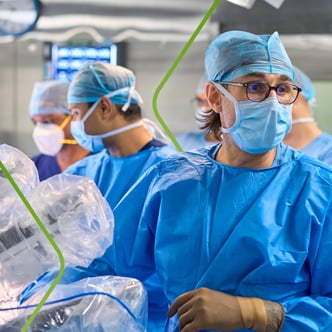 In-Study Problem Solving in Preclinical Cardiovascular Research: What Happens in the Room When the Device Does Not Behave
Innovation all but guarantees an unanticipated problem to solve. If a device has never been implanted in a living cardiovascular system, no model development, selection, preparation or protocol can anticipate everything it will do once it gets there. That is not a failure in planning. It is the nature of the work.
The question worth asking of every preclinical partner is not just whether their protocols are sound including the experience or rationale behind the protocol, or whether they’re intimately familiar with the model. It is what happens in the room when the surprise arrives. A team that solves the problem in-flight sends you home with data. A team that cannot sends you home with an invoice, a program that has regressed or stalled, and nothing for your investors, the FDA or notified body. Same device, same day(s), similar spend, opposite outcome.
Nicolas Borenstein again has the insights. Read on.
Optimizing Preclinical Studies for Clinical Trials and Market Adoption
Regulatory compliance is essential, but it is only part of the story. If a study is not designed with clinical translation in mind, the sponsor may still reach first-in-human studies, be those IDE or pivotal trials with incomplete information about procedure timing, workflow, technology or imaging requirements, console placement, staffing needs, human factors, and device behavior in a realistic use environment.
Jennifer Gordon and Genice Gallegos unpack elements of high value preclinical studies that streamline downstream clinical trials.
"The greatest risk of narrow preclinical thinking is not regulatory delay. It is arriving at first-in-human with unanswered clinical realities that compromise investigator confidence, site adoption, workflow integration, and ultimately patient impact." - Genice Gallegos, SVP Clinical Affairs, North America
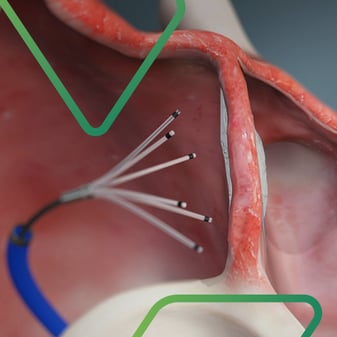 Preclinical Precision Enables First-in-Human Trials for Recross Cardio's Novel PFO Sealing Technology
Patent foramen ovale (PFO) affects roughly one in four adults and is a recognized cause of stroke in younger patients, particularly those with cryptogenic stroke. Current occluder devices have been transformative in reducing stroke recurrence, but they require extended antithrombotic therapy and antibiotic prophylaxis, sometimes beyond six months for larger devices, due to incomplete endothelialization. Studies show that insufficient device coverage months post-implantation remains a persistent challenge with existing designs, and larger device profiles have been identified as risk factors for atrial fibrillation and atrioventricular block.
Recross Cardio's PFO Sealing Technology represents a fundamentally different approach: a lightweight nitinol frame covered with a thin polymer membrane that achieves a 3x reduction in material bulk and a substantial reduction in size compared to existing occluders. The membrane is designed to accurately conform to the patient’s anatomy to reliably seal the PFO while preserving the ability to "recross" the septum if future interventions are needed. The goal: Excellent sealing at index procedure, rapid in-situ endothelialization to potentially reduce the need for long-term antiplatelet and antibiotic treatment and a dramatic reduction in implanted material to better protect surrounding cardiac structures and functions. For patients, this means stroke prevention without permanently closing the door on future treatment options and potentially shorter durations of the dual antiplatelet therapy that commonly causes bruising, bleeding, and gastrointestinal complications.
“For Recross, the preclinical work wasn't just about completing the required studies. It was about generating evidence strong enough to support FDA's decision to grant EFS approval and about building the foundation for eventual commercialization,” Tom Gerhardt, CEO and co-founder of Recross Cardio told us.
"Veranex provided outstanding support for our preclinical testing. Their in depth knowledge, expertise, professionalism and hands-on approach helped ensure a smooth and successful study from start to finish. A trusted partner and an excellent team to work with." - Bruce de Jongh, R&D Manager, Recross Cardio.
 Five Costly Misconceptions About GLP Studies (And Why They Matter)
"Good Laboratory Practice (GLP) studies occupy a specific, but often misunderstood and underestimated, space in medical device and pharmaceutical development. Most everyone knows when they're required. Most innovators budget for them. But surprisingly few truly understand what GLP studies are, and more importantly, what they're not.
"These misconceptions aren't just academic misunderstandings. They lead to failed studies, regulatory setbacks, wasted budgets, and delayed market entry. After years of managing GLP preclinical studies at Veranex, I've seen the same costly misconceptions repeated across startups and established companies alike. They arrive at my desk as rescue or repeat studies of originals performed elsewhere."
Veranex Preclinical Study Director Michael Sweet discusses the five most damaging misconceptions about GLP studies, and what you need to know instead.
 A New Chapter for the Heart Valve: Foldax's TRIA™ TAVR Promising Preclinical Results in npj Cardiovascular Health
Mechanical valves last a lifetime. But the metal demands lifelong anticoagulation, and with it a roughly one-in-ten chance of a serious bleeding or clotting event over a decade. Bioprosthetic valves, made from bovine pericardium or porcine leaflets, require no anticoagulants, only antiplatelets. But they degenerate; in as few as five years if the treatment of the tissue is poor and the patient is young. Fifteen to twenty if it's excellent. Not a comfortable proposition for a patient in their forties.
The ambition of cardiovascular device developers for decades has been a valve that is non-metallic, non-degenerative, and non-thrombogenic. Polymeric heart valves represent one of the most compelling attempts to get there. Foldax’s latest preclinical results suggest a meaningful step toward that long-imagined goal.
 What Makes an Excellent Preclinical KOL for Medical Devices?
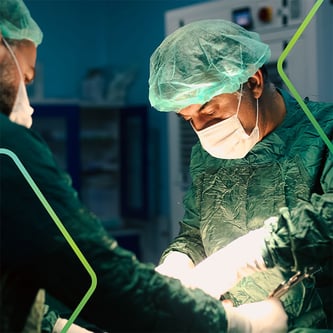
When you're ready for preclinical testing, be that pilot, non-GLP or GLP, choosing the right key opinion leader (KOL) for medical device development or validation isn't about finding the biggest name. The physician who regularly commands a conference stage or coordinates 40-center clinical trials may not be the right partner to save or effectively advance your project in the lab.
Here's a little slice: You want someone who understands your technology category. A TAVR specialist brings invaluable insights to structural heart devices. A neurovascular interventionalist understands the nuances of cerebrovascular anatomy.
But here's the distinction: you're not looking for someone who's done 5,000 human procedures. You need someone who understands the technology well enough to adapt it to animal models and troubleshoot when things don't go as planned. Think automotive mechanics who specialize in certain vehicle types—familiarity with the technology creates efficiency and reduces costly missteps.
Here's what matters most when evaluating KOL medical device expertise for the preclinical arena by Nicolas Borenstein, DVM, PhD.
 The Strategic Science of Optimal Preclinical Model Determination, Selection and Development
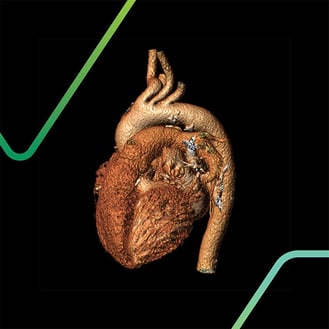
When your breakthrough, truly novel or generational new medical device idea transforms from napkin sketch to regulatory submission, one critical decision can determine whether you fast-track to market or face costly delays: choosing the right preclinical model.
It sounds straightforward until the wrong model leads to repeat studies, regulatory setbacks, and hundreds of thousands in added costs. But when chosen strategically, the right model becomes a competitive advantage, streamlining your path to market.
In preclinical research and medical device testing, success hinges on finding a preclinical model that strikes the right balance between scientific rigor and operational feasibility. You need a model that mimics human anatomy and physiology just enough, without adding unnecessary complexity, cost, or time.
[Contributors: Nicolas Borenstein (DVM, MsC, PhD), Jennifer Gordon, Michael Sweet]
 How to Spot Truly Exceptional Preclinical Pathologists - And Why It Matters
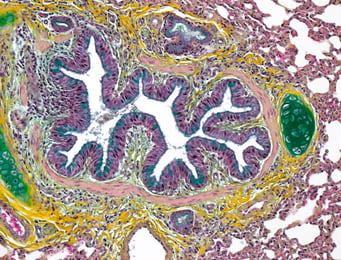
In the world of medical device development, not all pathologists are created equal. While many can competently read slides and generate reports, truly exceptional preclinical pathologists offer something far more valuable: comprehensive expertise that spans from initial concept through regulatory submission.
The Scarcity of True Medical Device Pathology or Histology Expertise: The Hidden Risk Most Device Startups Don't See Coming
For medical device innovators today, among the limited pool of device pathologists, only a handful possess the knowledge and ability to guide a device from early research and development through final GLP studies. Most pathologists work in isolation, receiving prepared slides without understanding the broader context of device development, animal model selection, or the critical decisions that occur long before tissue reaches their microscope.
This knowledge gap becomes particularly problematic for startups and companies developing novel devices. When no predicate device exists, when established animal models don't apply, when the very nature of the innovation requires creative problem-solving, that's when the difference between a competent slide reader and an exceptional preclinical pathologist becomes a substantial competitive advantage in overall cost-efficiency, quality and velocity to market.
By Butch Stanley, DVM, DACVP
.webp?width=272&height=272&name=Blogs%20Hero%20Image%20(9).webp) Six Signs You're Not Ready for GLP - A Histology Perspective
Six Signs You're Not Ready for GLP - A Histology Perspective
Medical device innovators often focus on surgical procedures, device functionality, and preclinical endpoints when preparing for GLP studies. Histopathology requirements frequently get treated as presumptive afterthoughts, until tissue processing reveals that your study wasn't ready to begin.
All too often, startups and early-stage medical device companies initiate GLP preclinical studies without understanding how histology requirements impact every upstream decision. Device design. Sample size. Budget. Timeline. Protocol structure. When histology preparedness is ignored, the consequences are expensive: protocol deviations, inadequate data, and repeat studies that delay market entry by months.
By Kirsten Landsgaard, DACVP
Are you evaluating the readiness of your medical device, drug, or biologic for preclinical testing and need feedback from clinicians? Contact us to talk with our preclinical experts.